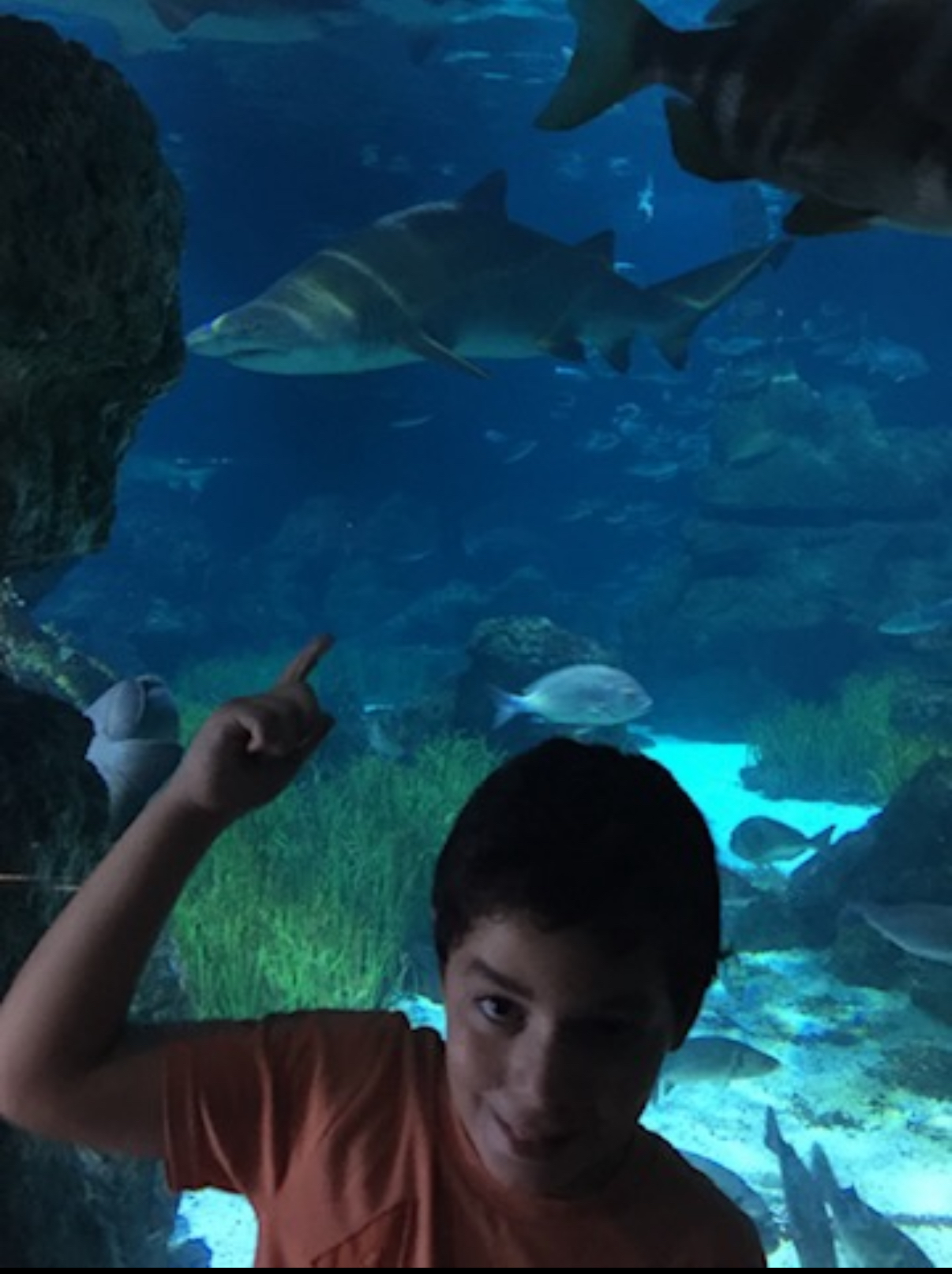
"STOP! DON'T MOVE!"
my brother yanked my sister back before she could take another step. i adjusted my mask and looked down. a stingray — body rippling, kicking up clouds of sand. i kept my distance and followed quietly. she settled into the sand, camouflaged, and then a little pup floated out from underneath her.
i haven't seen a stingray there since. that was five years ago.
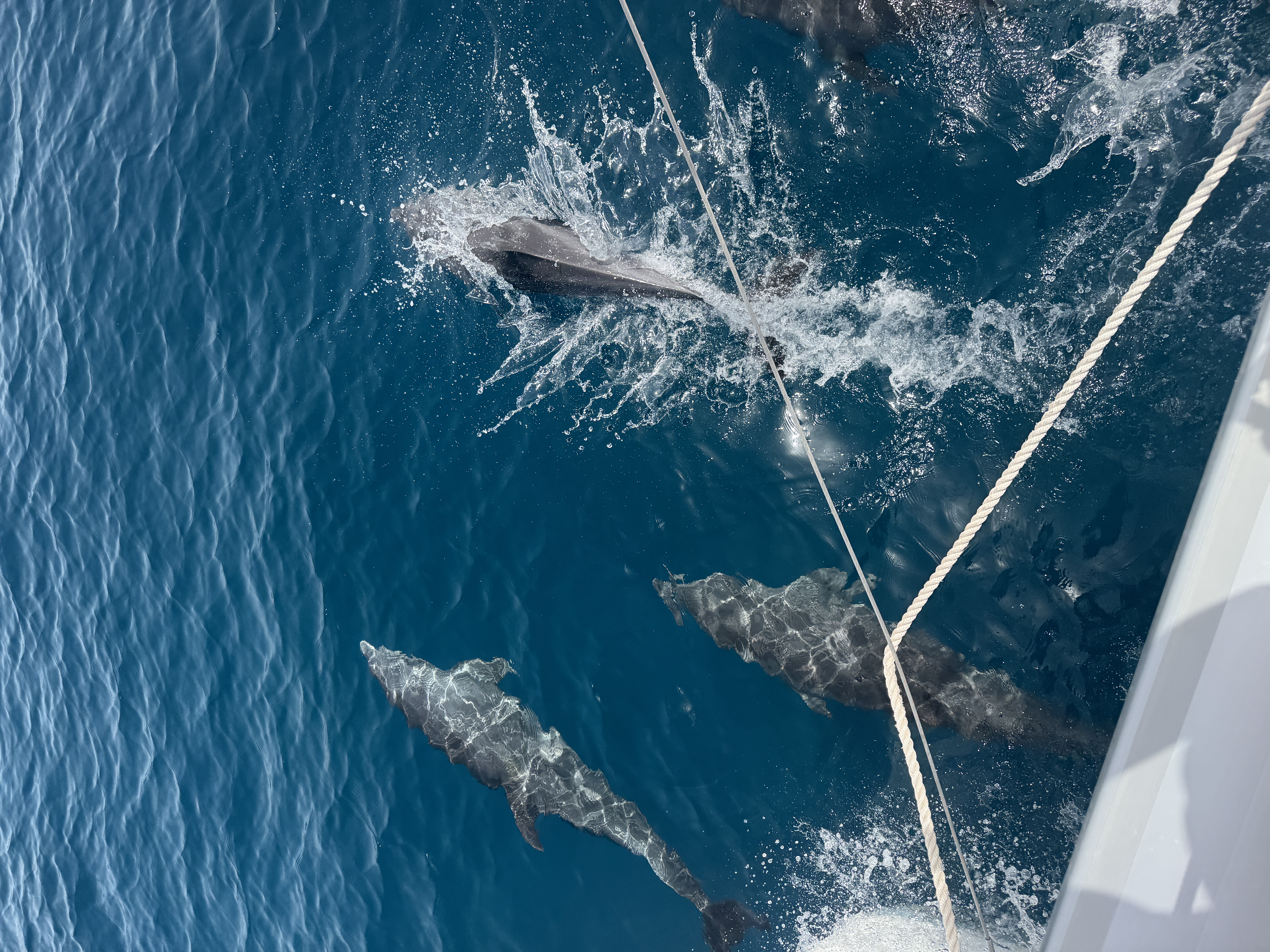
i started calling NGOs, eco-lodges, diving centers. not really with a plan, just with a question: what's actually happening, and what can be done?
everyone said the same thing. data. we don't have enough of it. we can't track what we can't see, and we can't act on what we can't track. divers were going out every day and nobody was collecting anything systematic.
the tools didn't exist. so i built one.
What Bahrena Isa platform for divers to log dives, report marine life sightings, and network. the data feeds ML models that power regional conservation efforts and help divers navigate sites without making things worse.
5 NGOs and local eco-lodges are now using it. the biodiversity data runs 7 predictive models, used by 30+ people across those organizations.
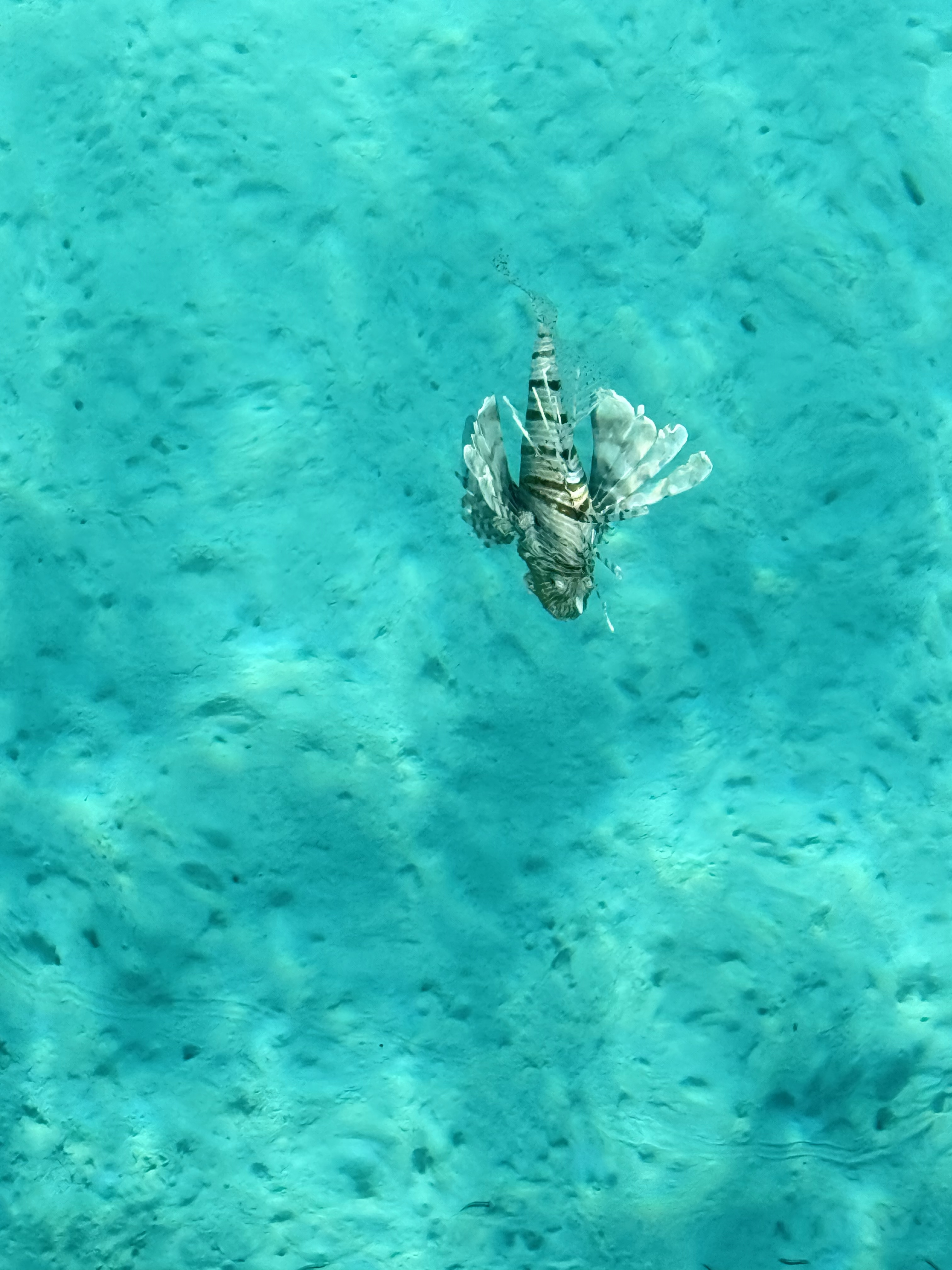
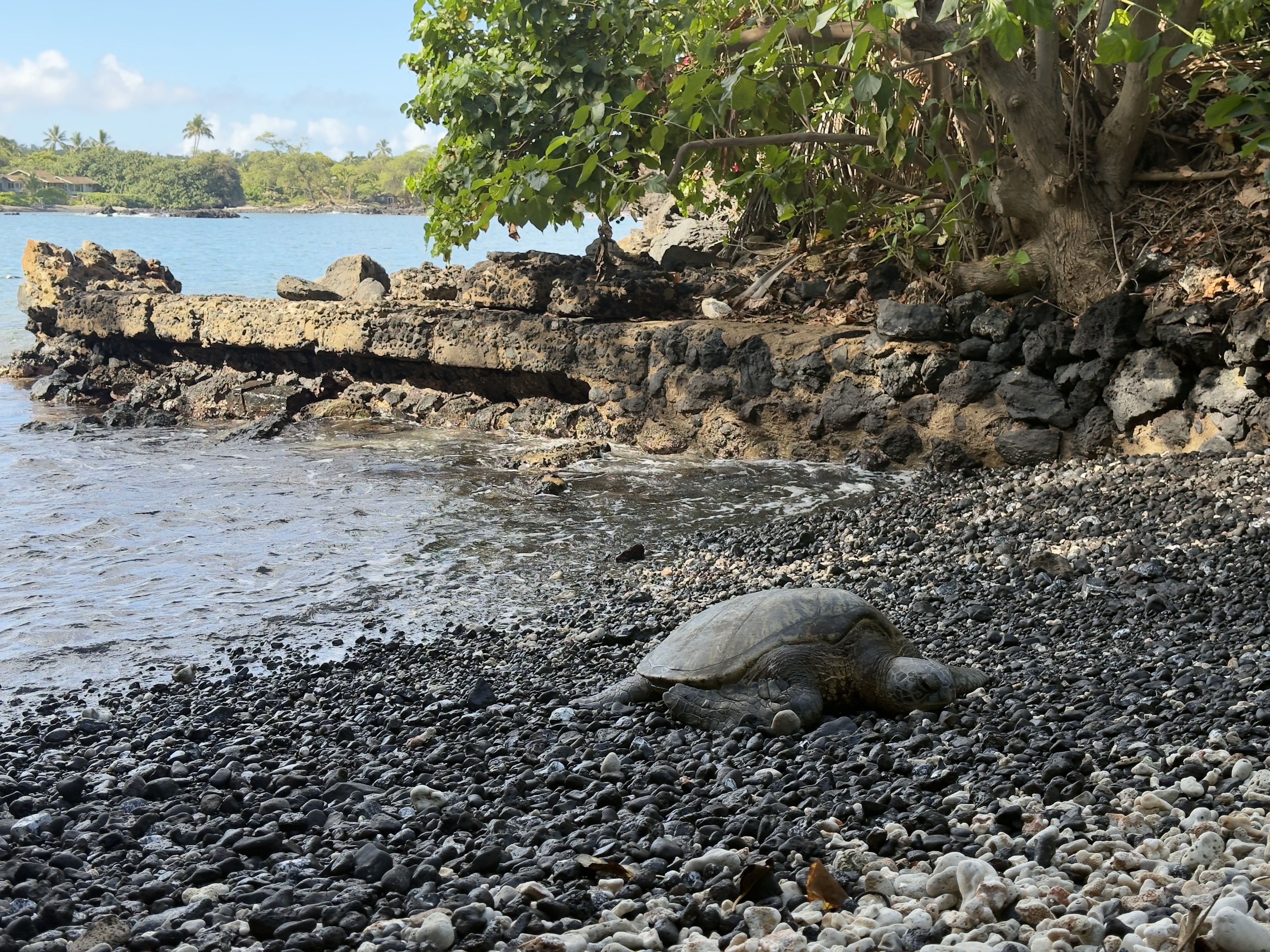
the beta-testing feedback surprised me. not because it was positive — i hoped it would be — but because of how specifically useful people said the data was. organizations that had been working blind suddenly had something to work with.
the most useful thing isn't always the most visible thing. bahrena isn't flashy. it's a data pipeline with a diver-facing frontend. but it's filling a gap that nobody else was filling.
i still do that dog-paddle up the shoreline, partly out of fear, but largely in hopes of meeting another stingray.